
A goal you can achieve starts with knowing why you want it. This guide walks through six steps: reflect, define, break it down, choose your tools, adapt, and celebrate. It works whether you are running a small business, studying, or just trying to get a busy year under control.
Step 1: Reflect
Before you write a single goal, take a quiet few minutes with a notebook or planner. Ask yourself two questions. What do I want more of this year? What do I want to change?
Your answers point to your values. Goals that line up with them are easier to keep working on when the novelty wears off.
Step 2: Define
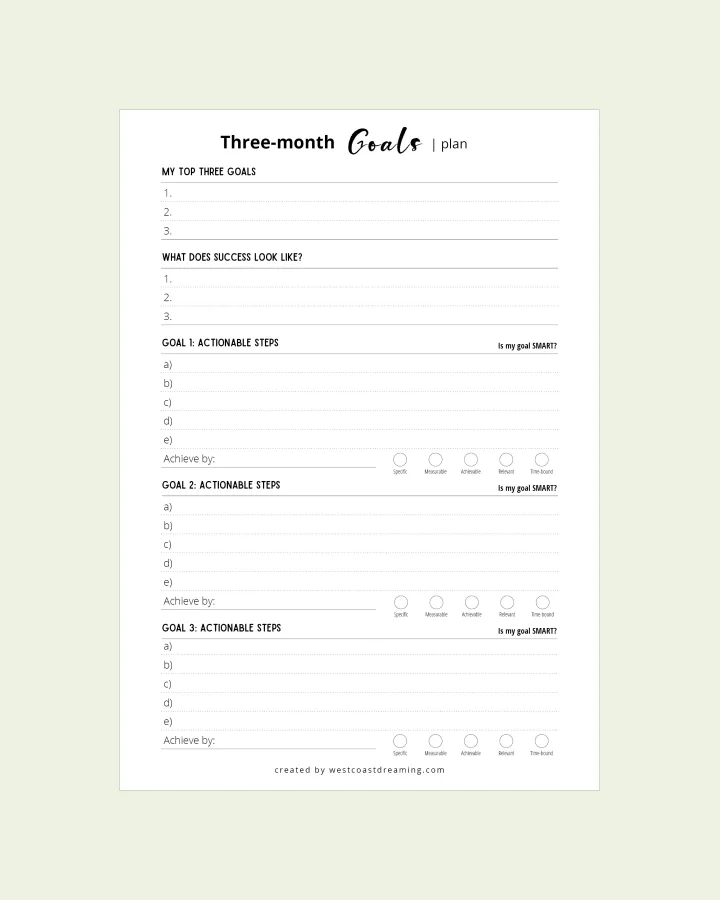
Next, turn each value into a goal you can check. A common way to do this is the SMART formula: specific, measurable, achievable, relevant and time-bound.
For example, “get in shape” is hard to act on. “Run a 5K race in six months” is clear, and you will know when you have done it.
Step 3: Break it into tasks
A big goal feels heavy until you cut it into small pieces. Write the goal at the top of a page, then list the actions between you and the finish. Put the first one in your calendar this week.
That list is your roadmap. It gives you a clear next step, so you spend less time wondering where to start.
Step 4: Choose your tools
Pick one place where your goals and tasks live, and use it every week. Paper or digital both work. What matters is that you open it often.
If you like paper, an undated, disc-bound planner lets you start any month and move pages as plans change. Ours are A5, and you can see them on the planners page.
Step 5: Adapt
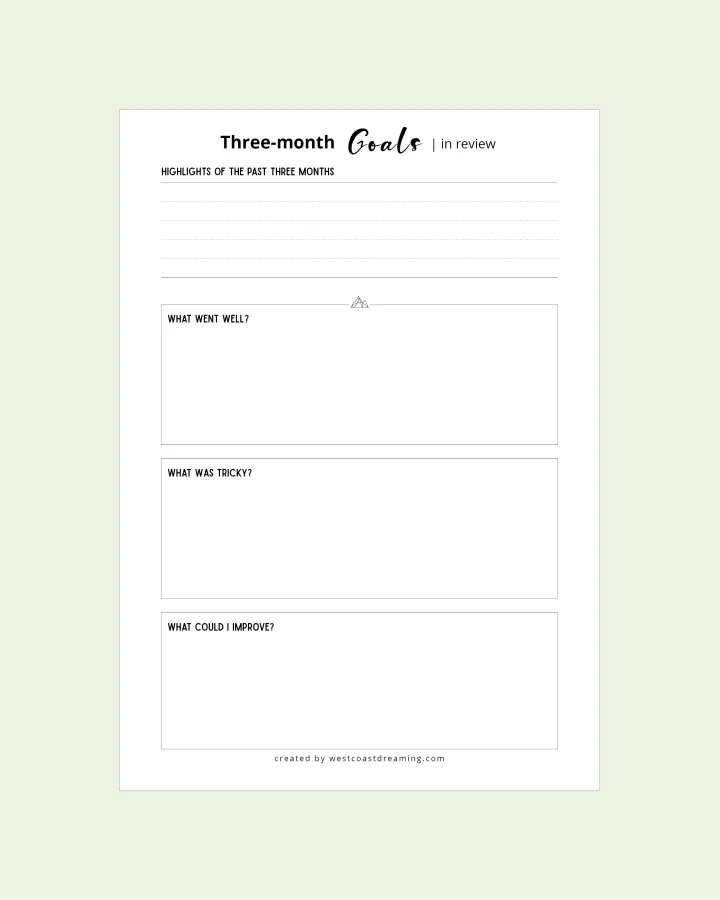
Life does not follow the plan. A project runs long, someone gets sick, or the goal simply stops mattering. That is normal.
Check in on a regular schedule, such as the first of each month. Ask what is working, what is not, and what to change. Adjusting a goal is part of the process, not a failure.
Step 6: Celebrate
Notice progress as you go, including the small steps. Write down what you finished each week or month. When motivation dips, that list shows how far you have come.
Tips for staying on track
- Set priorities. Choose a few key goals so you are not stretched across too many.
- Celebrate progress. Small wins count.
- Ask for support. Tell a friend, colleague or mentor what you are working on.
- Be kind to yourself. Setbacks happen. Pick the plan back up when you can.
- Keep it steady. Short daily or weekly habits do more than occasional big pushes.
In summary
Reflect on what matters, write goals you can check, break them into tasks, keep one tool you actually use, adjust as life changes, and notice your progress. Start with one goal this week and take the first small step.